Nacho Lopez
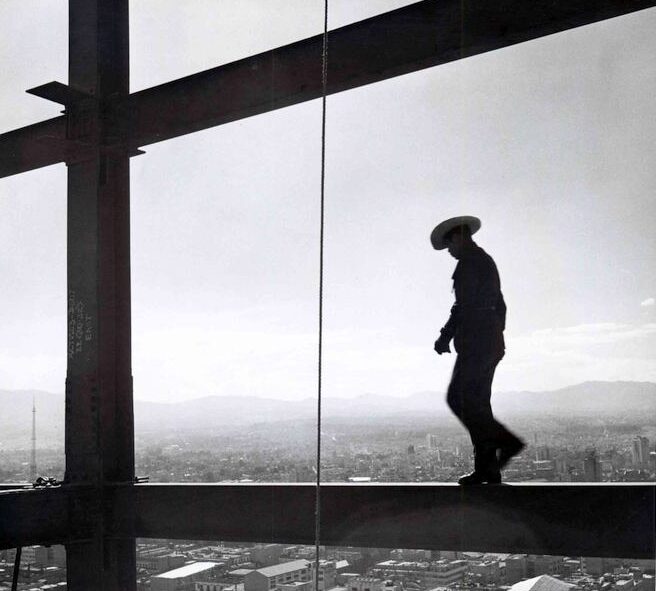
Nacho Lopez Mexican, 1923-1984 To Nacho Lopez Works Biography To Nacho Lopez Works Born in the City of Tampico, Tamaulipas, he is recognized as one of the key figures in the history of Mexican photography of the twentieth century. His work, which encompassed photojournalism, photographic essay and documentary film, redefined the role of photography as a narrative and social medium. He documented reality and questioned the conventions of the image and its ability to construct a narrative. A pioneer of photojournalism, his innovative approach, his “photo essays”, as well as his social sensitivity, made him an essential reference. He understood the power of images to tell stories. He created exemplary photo essays, such as “La venus se fue de juerga” and “Pasos en el Cielo”, among many others. He also stood out for his work, as a photojournalist, for magazines such as “Hoy”, “Mañana” and “¡Siempre!”, where he developed his particular and remarkable visual style. His invaluable legacy has been exhibited in multiple solo exhibitions, in Mexico and in many other countries. And it is part of the photographic heritage of dozens of public and private collections, all over the world. Trained at the Institute of Cinematographic Arts and Sciences in Mexico City, he approached photography with a cinematographic spirit. He carefully planned his photographic series, creating stagings in urban spaces, building an imaginary that revealed social dynamics and everyday experiences. With the sensitive interplay of reality and fiction, he turned his work into something unique within the Mexican photographic context and history, generating a break with traditional documentary photography.
Guillermo Kahlo
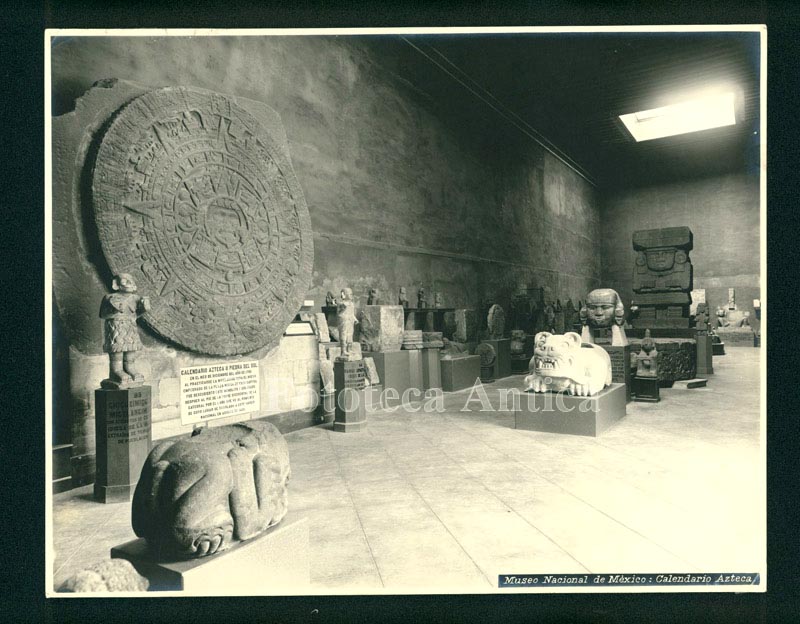
Guillermo Kahlo Mexican- German, 1871-1941 To Guillermo Kahlo Works Biography To Guillermo Kahlo Works Born in Pforzheim, Germany, Carl Wilhelm Kahlo was a photographer whose work constitutes the broadest and richest photographic, documentary, historical and aesthetic inventory of Mexico’s architectural heritage: a vast visual imaginary that can well be appreciated as an invaluable documentary and historical record of the national architectural scene, as well as a successful visual treatise created from a particular aesthetic position and careful mise-en-scène constructed with the close complicity of light. He translated those realities through long exposures to natural light, on 11 x 14″ glass plates, prepared and developed by himself, printed by contact from the glass plates, on self-printing paper, toned in gold-platinum. Undoubtedly, a successful and balanced composition of spaces and planes, drawn with a photographic palette prodigious in whites, blacks and grays, in lights and shadows. In 1908, the Minister of Finance of the Government of Porfirio Díaz, José Ives Limantour, commissioned him to carry out the photographic inventory of the temples and churches of federal property and to carry out a registration, a visual and documentary survey of real estate and national monuments. In 1924 he began the publication of his series of 5 volumes on the Churches of Mexico, also illustrated with drawings by Dr. Atl. Father of Frida Kahlo, his work has been widely valued, today, as the most artistic and systematic repertoire of images on the richness of civil and religious architecture in our country. And it has been exhibited on multiple occasions, in Mexico and abroad, and also published in dozens of books and magazines of the time.
Hector Garcia

Hector Garcia Mexican, 1923-2012 To Hector Garcia Works Biography Héctor García (1923–2012) was a Mexican photographer celebrated for his powerful portrayal of social and political life in mid-20th century Mexico. His work often focused on marginalized groups, capturing the everyday struggles and resilience of working-class communities in Mexico City. García was particularly skilled in photojournalism, using black-and-white photography to convey the raw emotions of his subjects and the socio-political realities they faced. His images were imbued with a sense of empathy and activism, frequently highlighting issues of inequality, poverty, and social justice. García’s documentary style is notable for its intimate, unfiltered approach, offering viewers a poignant look into the complexities of Mexican society. His visual storytelling continues to be a critical reflection of Mexico’s social history and urban culture. To Hector Garcia Works Past Exhibits 2024 2024 Héctor García. Miradas sobre un monumento.Museo Nacional de Arte, MUNAL.INBAL. El movimiento de los ciclos y los días. Patricia Conde Galería. ¿Qué me ves? Héctor García, cronista de la lente. Museo del Estanquillo.2023-2024Ciudad EspectroMuseo de la Ciudad de México. Héctor García. Miradas sobre un monumento. Museo Nacional de Arte, MUNAL. FUNDACIÓN MARÍA Y HÉCTOR GARCÍA, A. C. Ciudadanos. Galería Abierta Rejas de Chapultepec.Ciudad de México. La mirada de Héctor García frente a los movimientos sociales. El lado oscuro del régimen: la protesta del 58 y el 68. Complejo Cultural Los Pinos. Ciudad de México. Héctor García. Instituto Guimarães Rosa. Embajada de Brasil en México. Héctor García. LMI Gallery, Laboratorio Mexicano de Imágenes. Ciudad de México. Ciudad vorágine. Centro de la Imagen. Ciudad de México. 2022 Como es arriba, es abajo. Patricia Conde Galería. Héctor García.OMR at GAMA Week 2022, GALERÍA OMR. Héctor García.Throckmorton Fine Art at The Photography Show presented by AIPAD. 2021 2019 Héctor García.SOUTH SOUTH VEZA, GALERÍA OMR. Héctor García.Patricia Conde Galería at Latin American Galleries Now. Patricia Conde Galería. Confluencias: Diálogos visuales. Vintage Mexican Photography: Archive Selection.Patricia Conde Galería Earlier Exhibits 2018Mirror Mirror: Rare Portraits of Frida Kahlo.Atlas Gallery. 2017Héctor García.Patricia Conde Galería at The Photography Show 2017, presented by AIPAD. Patricia Conde Galería. 2016Héctor García.Patricia Conde Galería at The Photography Show 2016 | presented by AIPAD. 2015Héctor García.Patricia Conde Galería at Zona MACO 2015,